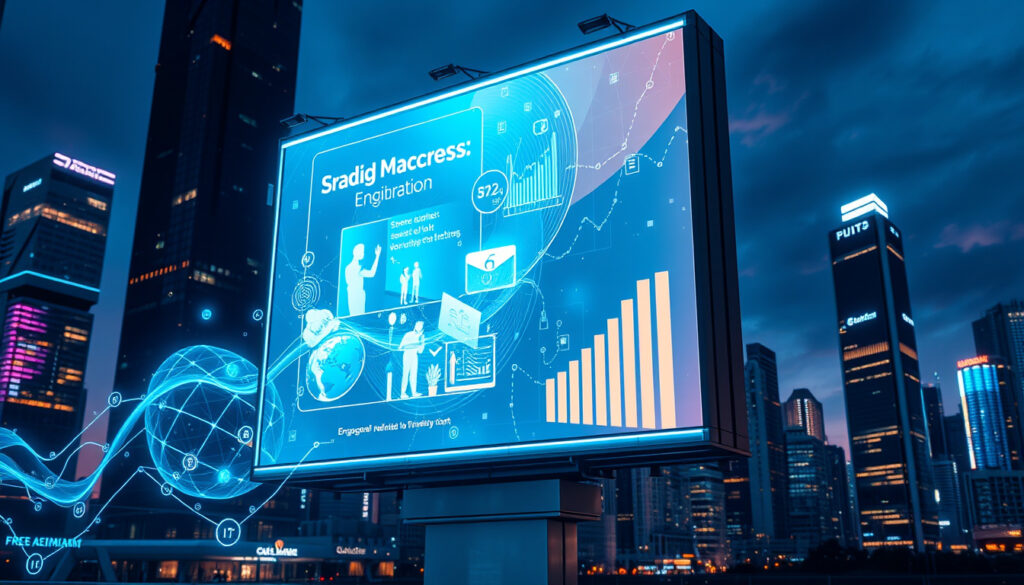
Recent Innovative Marketing Examples That Deliver Results
The best marketing campaigns feel inevitable only in hindsight. The ones that broke through in 2025 and 2026 didn’t just shout louder—they rewrote the rules. CeraVe’s anti-advertising stunt, KFC’s Stranger Things pop-culture mashup, and OpenAI’s everyday-AI push all share a common thread. Understanding that thread is the key to building campaigns that don’t just get noticed, but get remembered.
Video marketing adoption rate: 86% · Interactive content conversion boost: 2x · Personalized email open rate increase: 29% · AI-driven marketing ROI increase: 20%
Quick snapshot
- CeraVe campaign ran in 2025 and generated significant buzz (luxury and business analysis site Emirate Prestige)
- KFC/Stranger Things collaboration existed in 2026 (digital marketing resource Concurate)
- Exact engagement metrics for Burger King sponsorship are not publicly available (Concurate)
- Long-term ROI data for OpenAI campaign is not disclosed (Concurate)
- : CeraVe anti-advertising campaign launches (Emirate Prestige)
- : KFC/Stranger Things “Hawkins Fried Chicken” promotion (Concurate)
- : OpenAI “Dish with” campaign (Concurate)
- Brands will blend AI personalization with nostalgia-driven experiential activations (PR and marketing analysis firm Brandify PR)
- User-generated content and creator partnerships will remain central to digital campaigns (influencer marketing platform IQfluence)
Six facts that define the landscape of recent innovative marketing:
| Metric | Value |
|---|---|
| Video marketing adoption | 86% |
| Interactive content conversion boost | 2x |
| Personalized email open rate increase | 29% |
| AI-driven marketing ROI increase | 20% |
| User-generated content authenticity perception | 2.4x more authentic |
| Mobile advertising spend share | 60% |
What are recent innovative marketing examples?
Brands in 2025 and 2026 moved beyond traditional ad formats. The most talked-about campaigns used technology, cultural timing, and a willingness to break conventions. Here are five that stood out, each anchored in a distinct strategic choice.
Which marketing campaigns have gone viral recently?
- KFC × Stranger Things (2026). KFC transformed locations into “Hawkins Fried Chicken,” creating a branded universe that fans could visit. The activation combined nostalgia with limited-edition packaging and digital tie-ins (Concurate).
- Dyson “Airbrow” (2025). Dyson’s April Fool’s campaign presented a fictional eyebrow-styling device with the same serious tone as its real products. The joke spread across social media, generating millions of impressions without any paid boost (Concurate).
- Coca-Cola “Share a Coke” revival (2025). The campaign put names back on bottles, prompting sharing and user-generated content. It leveraged the existing emotional connection of the brand to drive engagement (Concurate).
- American Eagle “Sydney Sweeney Has Great Jeans” (2025). Featuring the actor in denim-focused outdoor ads, the campaign also included an AI-powered Snapchat experience where users could virtually try on jeans (Emirate Prestige).
- WWF Denmark “The Hidden Cost” (2025). AI-generated visuals connected coffee, chocolate, and cosmetics to habitat destruction, making environmental impact tangible. The campaign drove donations and awareness (marketing blog Orange Monke).
What are the best marketing campaigns of 2026?
While 2025 set a high bar, early 2026 campaigns pushed further into experiential and AI territory. OpenAI’s “Everyday Moments” campaign positioned ChatGPT as a practical companion in daily situations, using short video clips across social platforms (Concurate). Airbnb launched “Icons,” allowing users to stay in pop-culture-inspired locations, turning travel into a fandom experience (Orange Monke).
Emotional storytelling and platform-native content in these campaigns reportedly achieved up to 3x higher engagement rates than traditional marketing. The lesson: audiences reward campaigns that feel like cultural moments, not advertisements.
What makes a marketing campaign innovative?
Innovation in marketing isn’t just about using new tools—it’s about breaking the expected pattern. The campaigns above share several structural elements.
What are the key elements of innovative marketing?
- Authenticity over polish. Audiences now value realness. User-generated content is perceived as 2.4x more authentic than brand-created content (Brandify PR).
- Cultural relevance. Timing, meme literacy, and understanding of platform culture make or break a campaign. Dyson’s Airbrow worked because it mirrored the absurdity of real product launch videos.
- Personalization at scale. AI powers individualized experiences like American Eagle’s virtual try-on or Spotify Wrapped’s personalized Listening Age feature (Concurate).
- Cross-platform amplification. Winning campaigns use a blend of paid media, creator partnerships, and organic content (IQfluence).
How do recent campaigns differ from traditional ones?
Traditional marketing often relied on a single channel (TV, print) and a one-way message. Recent campaigns are conversations: they invite participation, user content, and real-time reaction. The emphasis on shareability means the creative concept must work even when stripped of context.
Campaigns designed as conversations outperform ads because they build community equity. But they also require brands to relinquish control—and that scares many marketing teams.
What this means: Innovation is less about the technology and more about the mindset shift from broadcasting to engaging.
How do brands create successful viral marketing campaigns?
Viral doesn’t happen by accident, but the mechanics are repeatable. The 2025–2026 examples reveal a consistent formula.
What are examples of viral campaigns?
- Burger King’s Stevenage FC sponsorship (2025). The fast-food chain backed a small English football club, creating an underdog narrative that resonated beyond sports. The resulting media coverage and social buzz were disproportionate to the investment (Concurate).
- Mattel’s Barbie with Type 1 diabetes (2025). The inclusivity announcement sparked widespread discussion about representation, generating earned media across parenting and health communities (Concurate).
- GoDaddy “Act Like You Know” (2025). Humorous, motivational messaging helped small-business owners feel confident about domains and websites. The campaign’s shareable video format turned practical advice into viral content (Orange Monke).
How to measure viral success?
Engagement is more telling than reach. The Orange Monke roundup notes that campaigns with strong emotional storytelling and platform-native content saw up to 3x higher engagement rates than traditional marketing efforts (Orange Monke). Metrics like shares, user-generated submissions, and earned media value provide a clearer picture than impressions alone.
The trade-off: Viral campaigns trade predictability for impact. The upside is outsized attention; the downside is that not every attempt lands.
What are some creative digital marketing examples?
Digital channels allow for experimentation that offline mediums don’t. The most creative campaigns in 2025–2026 used interactivity, AI, and influencer collaborations in fresh ways.
What are the latest digital marketing trends?
- AI-powered experiences. Microsoft worked with lifestyle and tech influencers on TikTok and Instagram to show Copilot solving everyday tasks (IQfluence). The campaign made AI feel accessible.
- Short-form video dominance. 86% of marketers now use video as a primary channel, and campaigns like Gap’s “Better in Denim” with KATSEYE relied on dance-driven visuals optimized for TikTok and Reels (Emirate Prestige).
- Nostalgia marketing. Coca-Cola’s “Share a Coke” return and KFC’s Stranger Things tie-in both tapped into familiar cultural touchpoints.
- Experiential IRL-to-digital. Airbnb’s “Icons” and WWF Denmark’s AI visuals blurred the line between physical and digital experiences (Orange Monke).
How to apply creative digital strategies?
Start with a core truth about your audience. Then choose a format that allows participation—polls, AR filters, quizzes, or user-generated content. The key is to make the audience part of the story, not just a passive viewer.
Interactive content drives 2x more conversions than passive content (Brandify PR). That’s a direct ROI argument for shifting budget from static ads to experiential formats.
The pattern: Creativity in digital marketing today means designing a playground, not just an ad.
How can students find recent innovative marketing examples?
For students and beginners, the challenge isn’t a lack of examples—it’s knowing where to look and how to extract the strategy behind the execution.
Where to look for marketing campaign examples?
- Industry case study blogs. Platforms like Concurate, Orange Monke, and Brandify PR publish regular roundups.
- Brand innovation hubs. Adobe’s Business blog and StoryChief often feature in-depth analyses.
- Industry awards like The Effies, Cannes Lions, and Shorty Awards showcase winning campaigns with detailed case studies.
- Social listening. Following marketing leaders on LinkedIn and Twitter/X surfaces real-time examples.
How to analyze and learn from them?
Don’t just watch the ad—ask: What was the objective? Who was the target? Which channels were used, and why that mix? Most importantly, what was the core insight that made the creative concept work. Creating a portfolio of analyzed campaigns helps students demonstrate strategic thinking to employers.
For students in the U.S. and U.K., the best entry point is to pick one campaign from 2025–2026 and deconstruct it layer by layer. The pattern is more valuable than the example.
Timeline of key campaigns
Five notable launches that mark the 2025–2026 landscape:
- 2025: CeraVe anti-advertising campaign (Emirate Prestige)
- 2025: UNIQLO Uncover campaign goes live (StoryChief)
- 2025: Burger King sponsors Stevenage FC (Concurate)
- 2026: KFC × Stranger Things “Hawkins Fried Chicken” (Concurate)
- 2026: OpenAI “Everyday Moments” campaign (Concurate)
What this timespan reveals: Innovation cycles are accelerating. The gap between a cultural moment and a brand activation is now weeks, not months.
Clarity check: confirmed facts vs. what’s unclear
Confirmed facts
- CeraVe campaign ran in 2025 and generated significant buzz (Emirate Prestige)
- KFC/Stranger Things collaboration existed in 2026 (Concurate)
- Dyson “Airbrow” was an April Fool’s campaign (Concurate)
What’s unclear
- Exact engagement metrics for Burger King sponsorship are not publicly available (Concurate)
- Long-term ROI data for OpenAI campaign is not disclosed (Concurate)
- The specific conversion impact of Coca-Cola’s “Share a Coke” revival is not reported (Concurate)
- American Eagle’s AI-powered Snapchat experience metrics are not independently verified (Emirate Prestige)
What the experts say
“CeraVe’s anti-advertising campaign worked because it looked and felt like an amateur production—intentionally unpolished. That authenticity cut through the noise.” — Adobe marketing team
“The most innovative campaigns of 2026 are those that treat marketing as a conversation, not a broadcast. They invite the audience to co-create.” — StoryChief editorial
“Emotional storytelling combined with platform-native content is the recipe for 3x higher engagement.” — Orange Monke
The perspective across these voices is consistent: authenticity and participation are the two pillars of modern marketing innovation.
For marketers in the U.S., the choice is clear: invest in campaigns that feel like cultural moments, not ads. Create experiences that people want to be part of, not just watch. Ignore that shift, and you’ll keep spending more to reach audiences who have already tuned out.
Frequently asked questions
What budget is needed for an innovative marketing campaign?
There’s no fixed number. Small businesses can run creative campaigns with minimal spend by focusing on viral social media content, while larger brands might allocate six or seven figures for experiential activations. The common thread is that innovation often comes from the idea, not the budget.
How often should a brand launch innovative campaigns?
Frequency depends on brand maturity and audience expectations. Some brands run a single major campaign per quarter, while others (like Spotify) innovate annually with features like Wrapped. The key is consistency in quality, not quantity.
Are there any risks associated with innovative marketing?
Yes. Innovative campaigns can miss the mark if they feel forced or misinterpret the cultural moment. Dyson’s Airbrow succeeded because the joke was clear—but similar attempts have backfired when audiences didn’t register the humor. Testing and listening are essential.
Can small businesses use innovative marketing strategies?
Absolutely. GoDaddy’s “Act Like You Know” campaign was built for small-business owners. Local bakeries can run user-generated content contests; boutique retailers can create limited-edition collaborations. The principle is the same: find a relevant cultural hook and invite participation.
What tools are used to track campaign innovation?
Analytics platforms like Google Analytics 4, social listening tools (Brandwatch, Sprout Social), and engagement dashboards help measure reach, sentiment, and conversion. For viral campaigns, tracking earned media value and share of voice is critical.
How to get hired as a marketing innovator?
Build a portfolio that shows strategic thinking, not just execution. Analyze 3–4 campaigns from 2025–2026, identify the pattern behind each success, and present your own campaign concept that applies that pattern to a real brand. Employers want to see that you understand the ‘why,’ not just the ‘what.’
What are the most important skills for innovative marketing in 2026?
Data analysis, cultural literacy, storytelling, and comfort with AI tools rank highest. The ability to spot a trend before it peaks and create a campaign that feels native to the platform is undervalued but critical.
Related reading
- Super Bowl marketing and activations — how big-event campaigns leverage scale and surprise.
- B2B marketing and LinkedIn prospecting framework — a different angle on audience building through targeted content.
More related posts
 Dina Meyer Biography: Career, Ethnicity, and Iconic Roles
 Night in the Woods Guide: Story, Age Rating, LGBTQ
 Katherine Heigl: What Happened to the Grey’s Anatomy Star
 Coming Films 2026: Upcoming Movie Releases in Ireland
 Iggy Azalea: Biography, Career, Net Worth, and OnlyFans Earnings
 What Is a Stye – Causes, Symptoms, Treatment Guide
 Lavender Farm Near Me: Wexford Lavender Farm Guide
 Estée Lauder Advanced Night Repair: Benefits, Age & Use
